Cockroaches, ants, bed bugs, fleas, and other similar pests fall under the category of crawling insects, which are among the most invasive and difficult to control. To address these pests, various treatment methods are utilized. Our operators are highly trained and experienced in identifying the underlying cause of pest activity and devising effective control measures.
The strategies used for treatment:
about Pest Killer for pest control
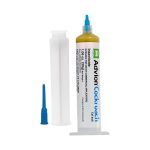
Gel Baiting Treatment:
The GEL formulation can be transferred from one cockroach to another because survivors can eat the corpses or faces of individuals that have previously fed on the gel. This is known as the ‘Domino EffectTM’ and enables the applied GEL to contaminate and control even those cockroaches that remain hidden within harborages.
about Pest Killer for pest control
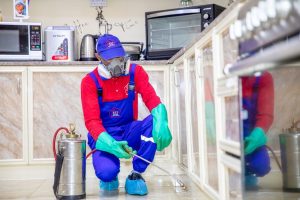
Residual Spraying Treatment
This method is one of the most advanced in the control of crawling insects during this century, as insecticides remain active over extended periods. Residual spraying is the application of insecticide to the inside of dwellings, on walls, and other surfaces that serve as harborage places for insects. Residual spraying kills insects when they come into contact with treated surfaces, preventing their transmission.
about Pest Killer for pest control
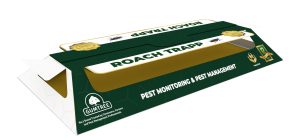
Cockroaches Monitoring Traps
Non-toxic cockroach trap that attracts and captures all types of cockroaches. It has a natural attractant that lures the cockroach and gets them caught inside the sticky trap, where they die. Monitoring traps will be installed to determine any pest activity.
about Pest Killer for pest control
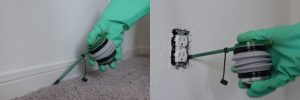
Dust Application – Using Special Duster
The objective of a dust application is the same as that of a liquid application: to create a lethal residue on a surface that will be contacted by a crawling pest. The standard liquid spray places small droplets on a surface, while a dust application places small dry particles on a surface. Dust particles are smaller than droplets, but both formulations rely on the target pest crawling over a treated surface.